Wine · Blind tasting · Reference page
The Judgment of Paris, 1976
On 24 May 1976 a panel of French wine professionals tasted Californian and French wines blind in Paris and placed a Napa Chardonnay and a Napa Cabernet first. A short magazine report turned a shop's publicity event into a turning point for wine outside Europe. Statisticians later checked whether the result holds up.
A shop's idea
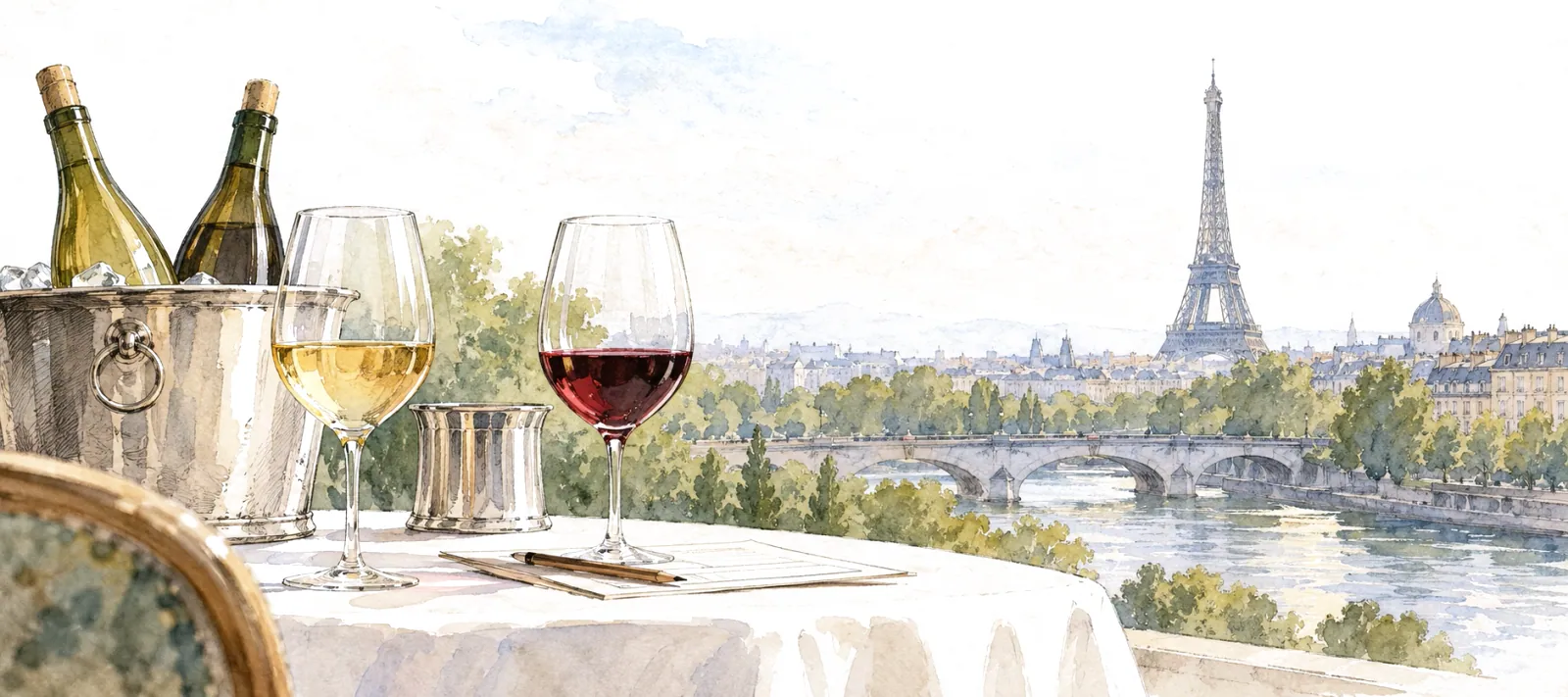
Steven Spurrier was an Englishman who owned a wine shop in Paris; his Académie du Vin, run with his American associate Patricia Gallagher, sponsored the event. Prompted by Gallagher, he decided to stage a tasting of the new Californian wines they had been hearing about, partly to draw attention to the business. The tasting took place on 24 May 1976, the year of the American bicentennial.
There were two flights, each served blind. The whites set four white Burgundies against six Californian Chardonnays. The reds set four Bordeaux against six Californian Cabernet Sauvignons. The judges were leading names of French wine and food: among them Odette Kahn, editor of the Revue du vin de France; Aubert de Villaine of the Domaine de la Romanée-Conti; Pierre Tari of Château Giscours; Pierre Bréjoux of the appellations institute; the restaurateurs Raymond Oliver of Le Grand Véfour and Jean-Claude Vrinat of Taillevent; Christian Vanneque, sommelier of La Tour d'Argent; Michel Dovaz; and the guide writer Christian Millau. Each wine was marked out of 20.
California first
Almost nobody expected a story. George Taber, Paris correspondent of Time, was the only journalist who came. He had the list of wines in serving order; the judges did not. He later recalled watching Raymond Oliver taste a white and declare it French. It was from the Napa Valley.
When the marks were added up, the top white was the 1973 Chardonnay of Chateau Montelena, ahead of a Meursault-Charmes. The top red was the 1973 Cabernet Sauvignon of Stag's Leap Wine Cellars, founded by Warren Winiarski, ahead of four Bordeaux that included Château Mouton Rothschild and Château Montrose. Taber's short report in Time on 7 June 1976 was headed "Judgment of Paris" and declared that "California defeated all Gaul". It printed the winning red's vintage as '72; the tasting results, and the bottle now in the Smithsonian's National Museum of American History, are 1973. Jim Barrett of Montelena told Taber the result was "not bad for kids from the sticks". According to Taber, Odette Kahn asked for her scorecard back. Decades later he told the whole story in a book, Judgment of Paris.
Did the Californians really win?
The economists Orley Ashenfelter and Richard Quandt re-analysed the red flight from the judges' scores, as published in July 1976. They raised two problems. First, the result was a simple average of marks. Spurrier himself later wrote that he tallied the winners by "adding the judges marks and dividing this by nine (which I was told later was statistically meaningless)". Averages let a judge who spreads marks widely outweigh one who gives every wine 19 or 20. The textbook method, set out by Maynard Amerine and Edward Roessler, is to convert each judge's marks into ranks first. Second, the organisers were not neutral bystanders: Ashenfelter and Quandt list eleven tasters, including Spurrier and Gallagher, and state that their marks were counted. Accounts differ on this point.
Converting each judge's marks into ranks, as is done in sports judging so that every judge carries equal weight, they found that Stag's Leap still came first, with 41 "points against" out of a possible range of 11 to 110. Their test showed enough agreement among the judges that the ranking was not random. But it grouped the 1973 Stag's Leap with the 1970 Montrose at the top, with Mouton close behind. The wine placed last also changed. California won; it did not win by a mile. (The statistician Dennis Lindley later applied a full Bayesian analysis to the same data.)
They also judged the judges, measuring how well each one's ranking predicted the ranking of the rest of the panel. Aubert de Villaine came out best (a correlation of 0.70), followed by Jean-Claude Vrinat (0.65) and Christian Millau (0.61). The preferences of three tasters, Michel Dovaz, Patricia Gallagher and Pierre Tari, were unrelated to the group's. Even the most expert palates agreed only loosely with one another.
Why it mattered
Spurrier's own warning, quoted by Ashenfelter and Quandt, is the right frame: the results of a blind tasting cannot be predicted and will not even be reproduced the next day by the same panel. One flight on one afternoon proved little about which wines were better.
What it proved was that the best French palates, tasting blind, could not reliably tell the new Californian wines from great Burgundy and Bordeaux, and sometimes preferred them. Taber put it as breaking the myth that only France could make great wine. Warren Winiarski, speaking at a Smithsonian event for the fortieth anniversary, drew a broader lesson: winemakers began sharing and comparing as they had not before, and as a result "the wines of the world are better, the wines of France are better." NPR's anniversary report notes that in the years that followed new vineyards were planted across the United States and in countries from Argentina to Australia. The tasting was the opposite of the 1855 classification: a judgment made blind, on the glass, rather than on a name and a price history.
How it connects
Continue exploring
- CountryFrance162 entries in the atlas so far
 StoryThe 1855 Bordeaux classificationBordeaux, France
- Wine regionBordeauxBordeaux, France
- Wine regionBurgundyBeaune, France
 RecipeBœuf bourguignonDijon, France
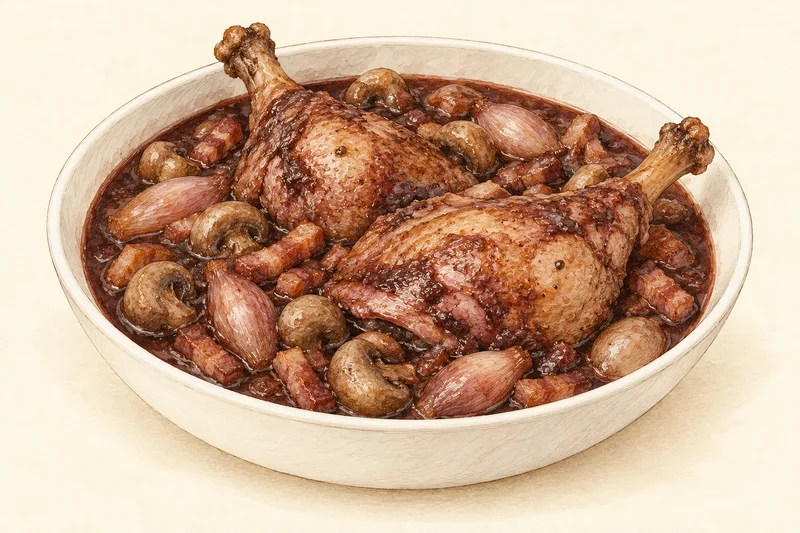 RecipeCoq au vinBurgundy, France
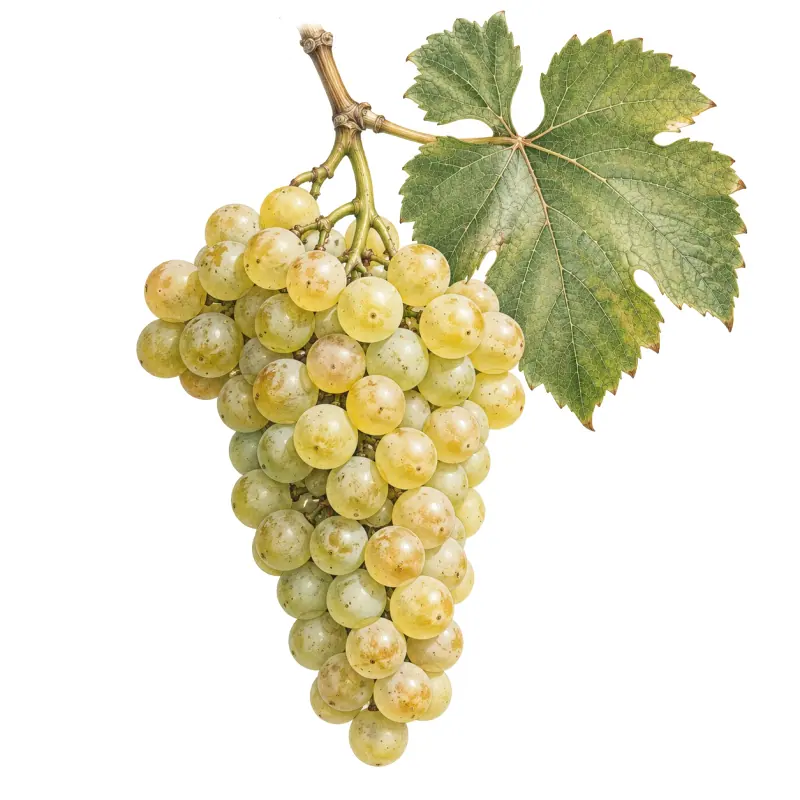 Grape varietyChardonnay
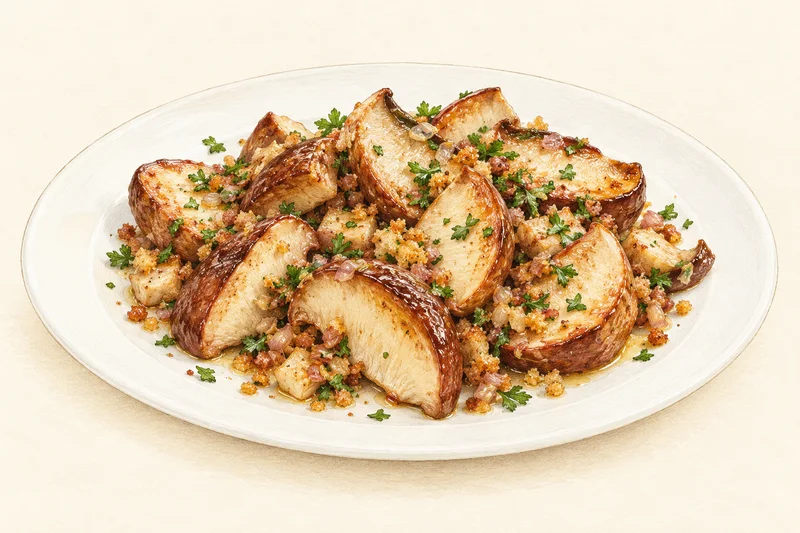 RecipeCèpes à la bordelaiseBordeaux, France
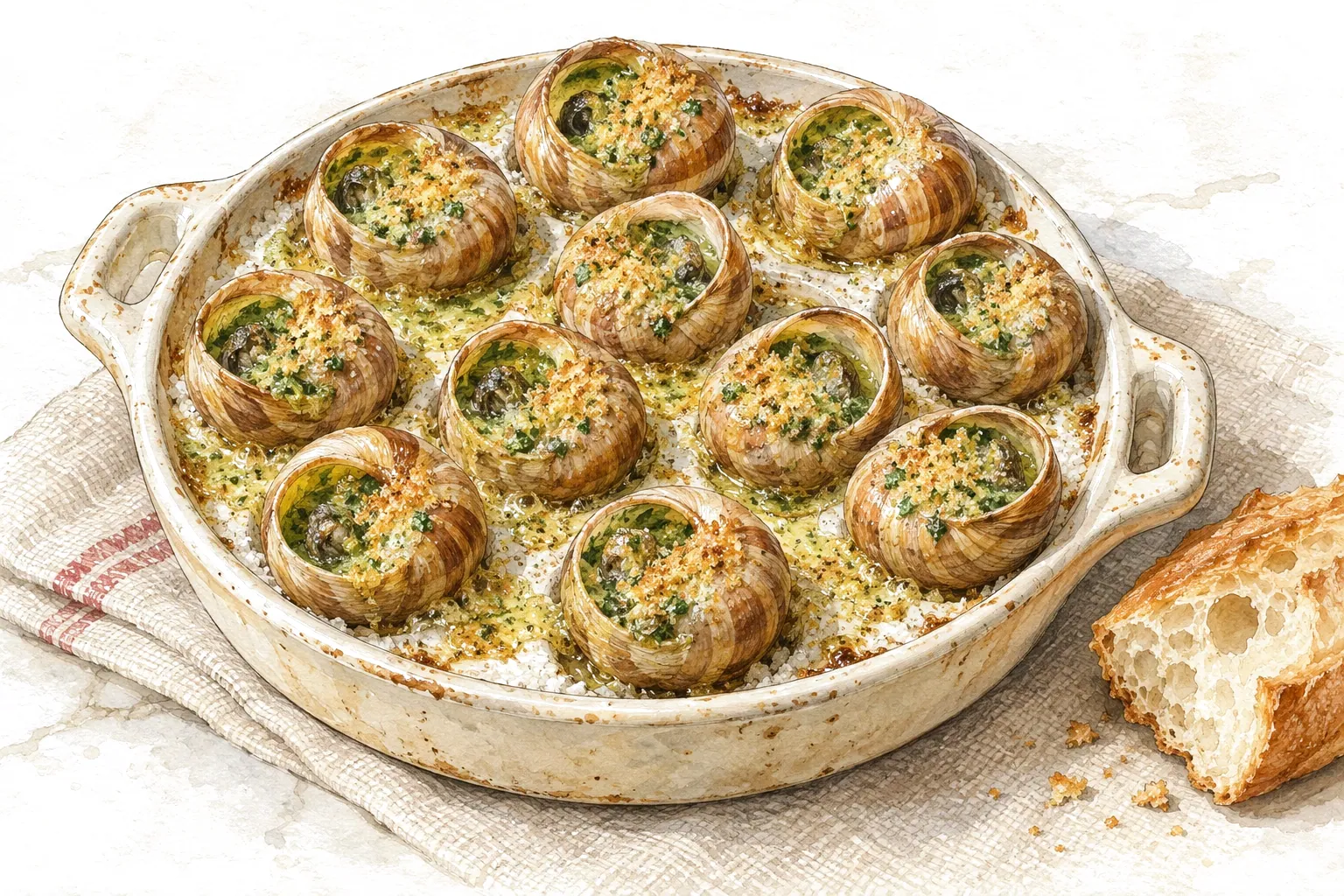 RecipeEscargots à la bourguignonneBurgundy, France
 RecipeFondue au ComtéJura massif, Franche-Comté, France