Whisky · Method · Reference page
Cask maturation
Storing new spirit in wooden casks for years, during which the wood and the air change its colour, aroma and taste. Most legal definitions of whisky set a minimum time and a type or size of wood.
Method
Oak or other wooden casks; Scotch, Irish, Canadian and Japanese whisky at least three years; American straight whisky at least two years in charred new oak.
What the law requires
The rules differ by country. Scotch Whisky must be matured only in Scotland, only in oak casks of not more than 700 litres, for not less than three years. Irish whiskey must spend at least three years on the island of Ireland in wooden casks, such as oak, of not more than 700 litres; casks that previously held Madeira, sherry, port or bourbon are used. US bourbon and rye must be stored in charred new oak barrels, entering at no more than 125 US proof (62.5% abv); a "straight" whisky has at least two years in such barrels. Canadian whisky is aged in small wood for at least three years, and Japanese whisky under the 2021 industry standard for at least three years in wooden casks of not more than 700 litres.
Age statements on Scotch Whisky must be in years and refer to the youngest whisky in the bottle.
What the wood does
During maturation the spirit takes colour and flavour from the cask and interacts with it; the Irish technical file notes that seasoned casks give a balanced character without excessive wood extracts and tannins. A review of the research by J. R. Mosedale (1995) found that the chemical and anatomical properties of oak that may influence flavour vary both in new wood and in used casks, and concluded that choosing wood or casks for their effect on flavour is feasible even though the processes are not fully understood.
How it connects
Style
- method-of Scotch Whisky
- method-of Bourbon whiskey
- method-of Irish whiskey
- technique Canadian whisky
- technique Japanese whisky
Story
- related A history of whisky
Continue exploring
- StoryA history of whiskyScotland, United Kingdom
- StyleBourbon whiskeyLegal category
- StyleIrish whiskeyProtected name
- StyleScotch WhiskyProtected name
- StoryFrom juniper water to London ginSchiedam, the Dutch genever town, Netherlands
- StyleCanadian whiskyLegal category
- StyleJapanese whiskyTrade term
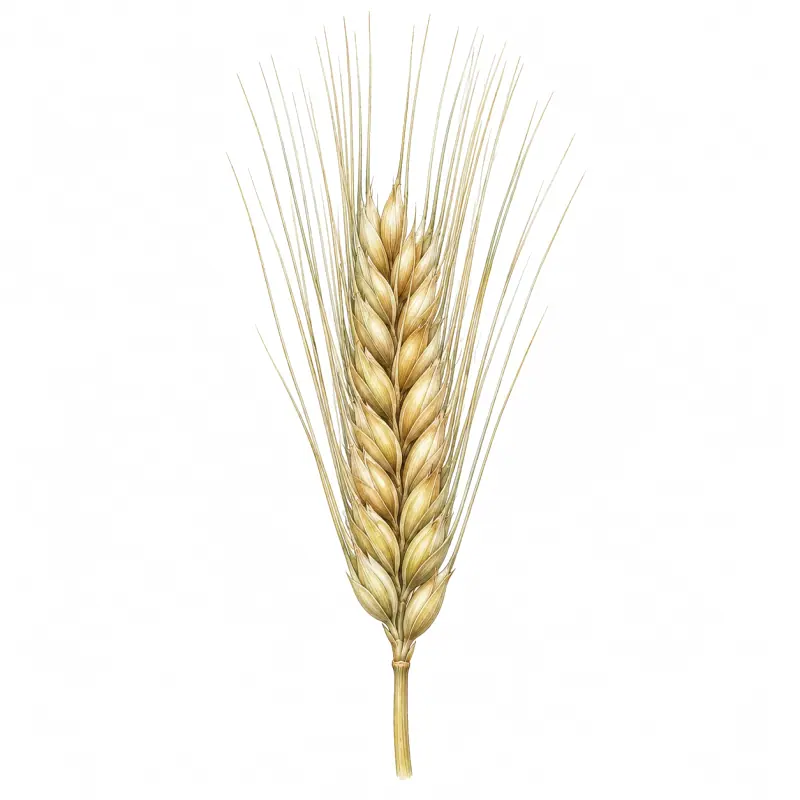 IngredientBarleyHordeum vulgare
- MethodMaltingMalting
- StoryCereals: the grasses that fed the worldTurkey