
Whisky · Maker · Short entry
Glenfarclas
A Speyside malt distillery near Ballindalloch, licensed in 1836 and owned by the Grant family since John Grant bought it in 1865. It heats its six stills by direct fire and matures its spirit in casks that held oloroso sherry.
Status
Owned by J. & G. Grant, a private unlimited company incorporated in 1947 whose persons with significant control are two members of the Grant family (Companies House, checked 2026-10-28). No drinks group.
History
ScotchWhisky.com dates the distillery to 1836, when the farmer Robert Hay took out a licence, 13 years after the Excise Act of 1823. After Hay's death, John Grant, a neighbouring farmer born in 1805, bought it on 8 June 1865 for GBP 511 19s 0d. He first leased it to his cousin John Smith, who left in 1870 to build Cragganmore, and then ran it with his son George.
In 1895 the family went into partnership with the Leith firm Pattison, Elder & Co as the Glenfarclas-Glenlivet Distillery Company. Pattison went bankrupt in 1898, and according to the same source the Grants resolved never again to depend on outside investors. The distillery was rebuilt and enlarged in the decades after 1949. Companies House records J. & G. Grant as a private unlimited company incorporated on 30 May 1947. John Grant became chairman in 2002; his son George, whom ScotchWhisky.com calls the sixth generation, joined in 2000.
Place
Glenfarclas stands beside the A95 at Marypark, near Ballindalloch, in the Speyside region. ScotchWhisky.com translates the name as "valley of the green grass", after the pasture around it; a distillery farm ran on the site from the late 1790s until 1988. ScotchWhisky.com gives Ben Rinnes as the water source. The spirit matures on site in traditional dunnage warehouses that hold about 52,000 casks. The same source reports evaporation losses of 0.05% a year against an industry average of 2.5%, which it puts down to a cool microclimate.
Making
ScotchWhisky.com gives a capacity of 3.2 million litres of alcohol a year. Malt from Muntons and Simpsons, peated to only 1-3 ppm, is mashed 16.5 tonnes at a time in a semi-lauter mash tun. Fermentation runs for at least 72 hours in 12 stainless steel washbacks with wooden lids. There are six stills, three wash and three spirit, with boiling-ball shapes, and all are heated by direct fire. Steam heating was tried in 1981; the distillery concluded that it took weight out of the new make and went back to direct fire.
All casks come from the Jerez cooper Miguel Martin: butts and hogsheads of European oak that held oloroso sherry. The core range is matured in a mix of first-fill and refill casks.
Character
ScotchWhisky.com describes the whisky as rich and able to age for a long time, the result of a heavy direct-fired spirit and sherry casks. The range runs from 8 to 40 years old. Because the family kept back much of its stock rather than selling it all for blending, it holds unusually old casks; in 2007 it released The Family Casks, single casks at cask strength from a long run of vintages. The distillery now sells more than 700,000 bottles a year. ScotchWhisky.com also notes the family's dislike of independent bottlers using the Glenfarclas name, which keeps such bottlings rare.
How it connects
Continue exploring
- CountryUnited Kingdom97 entries in the atlas so far
- HistoryExcise Act 18231823
- RegionSpeysideSpeyside, around Dufftown, United Kingdom
- StyleSingle Malt Scotch WhiskyLegal category
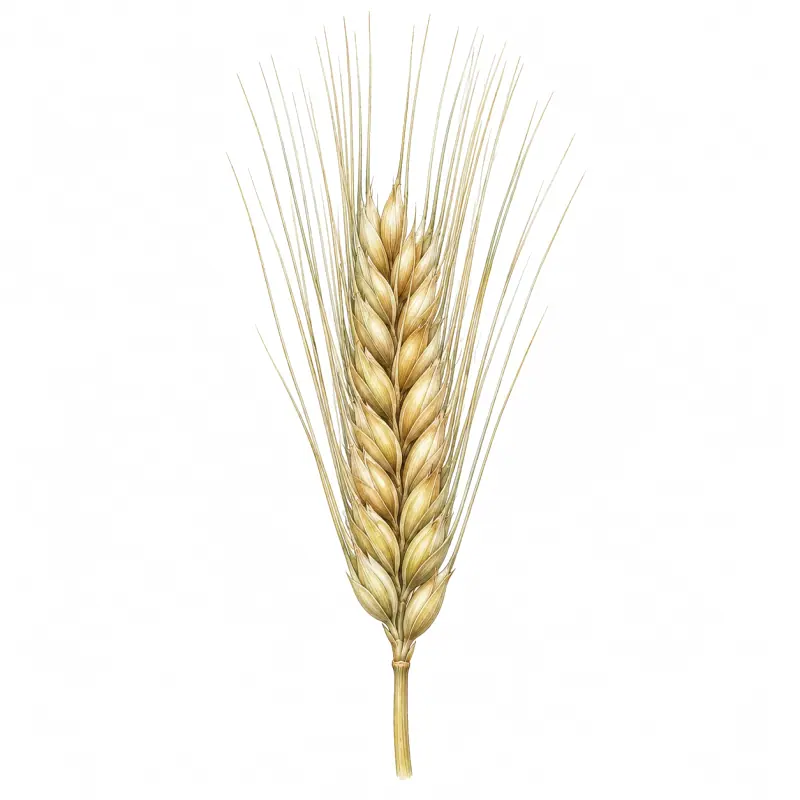 IngredientBarleyHordeum vulgare
- StoryA history of whiskyScotland, United Kingdom
- MethodPot still distillationDistillation
- RegionIrelandRepublic of Ireland, Ireland
- RegionScotlandScotland (United Kingdom), United Kingdom
- StyleScotch WhiskyProtected name