Whisky · History · Reference page
Friar John Cor's malt, Exchequer Rolls 1494-5
The Scottish Exchequer Rolls for 1494-5 record eight bolls of malt given to Friar John Cor to make aqua vitae. It is the earliest Scottish record of aqua vitae made from malt, often called the first written record of Scotch whisky.
1494-5
A payment to Friar John Cor of eight bolls of malt for making aqua vitae, recorded in the royal Exchequer accounts.
Why it mattered
It shows that aqua vitae was being distilled from malt in Scotland, with royal support, by the 1490s.
What the record says
The Exchequer Rolls (printed edition, volume x, page 487), for 1494-5, record in the account of the chamberlain of Fife a payment to Friar John Cor of eight bolls of malt for making "aqua vite". The National Records of Scotland hold the roll under reference E38/306 and date the extract to 1494; their caption describes John Corr as a monk at Lindores Abbey, allowed the grain "to make aqua vitae for the King".
Other Scottish references follow quickly: aqua vite brought to the King at Dundee in 1497, a still for aquavite and rose water found in Aberdeen in 1505, and the Edinburgh barbers' and surgeons' monopoly on making aquavite in 1505.
What it does and does not prove
The entry is a payment record. It shows malt being used to make aqua vitae at royal expense; it does not say how the spirit was made, what it tasted like, or that this was the first time it was made.
The link with Lindores Abbey in Fife comes from the NRS caption and is central to the modern Lindores Abbey Distillery, which describes the entry as the first written evidence of whisky production in Scotland and says distilling took place on its site "at least as early as 1494". The transcription published by the University of Aberdeen project names Cor as a friar and does not mention Lindores. The distillery's claim is the brand's own.
How it connects
Continue exploring
- CountryUnited Kingdom97 entries in the atlas so far
- MethodMaltingMalting
- StoryA history of whiskyScotland, United Kingdom
- RegionScotlandScotland (United Kingdom), United Kingdom
- StoryA history of beer
- StoryFrom juniper water to London ginSchiedam, the Dutch genever town, Netherlands
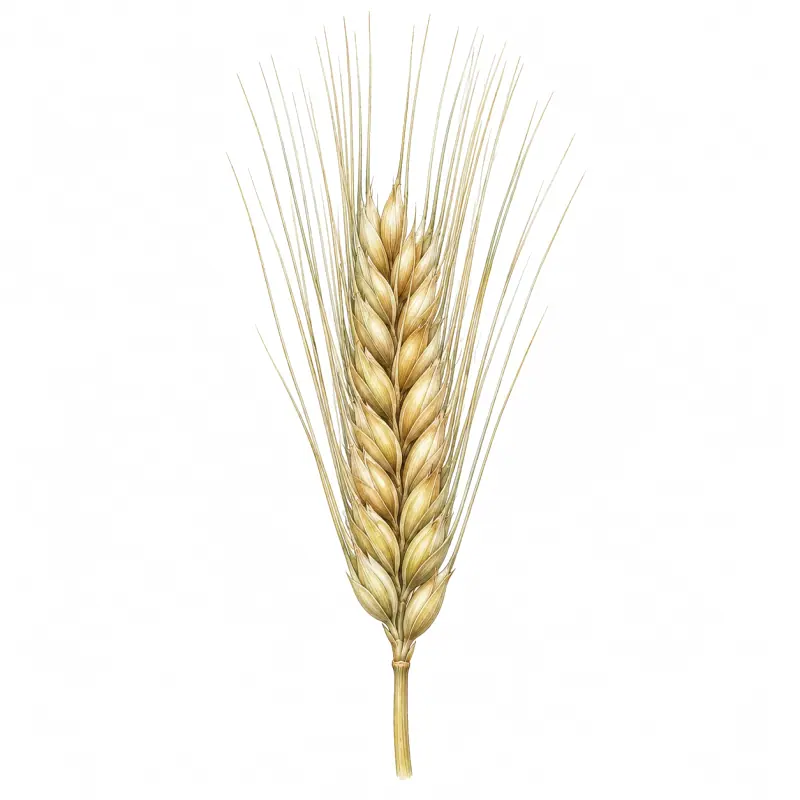 IngredientBarleyHordeum vulgare
- StylePilsner (Czech pale lager)Recognised style
- StyleRauchbier (smoked beer)Recognised style
- MethodCask maturationMaturation