Gin · Style · Reference page
Genever
Genever is the juniper-flavoured grain spirit of the Low Countries, protected in the EU as a geographical indication for Belgium, the Netherlands and parts of France and Germany. It must contain moutwijn, a malty grain distillate, which sets it apart from gin.
Method
Grain spirit, including at least 1.5 % moutwijn in the pure alcohol, flavoured with juniper; other botanicals may not dominate. It may be aged in wood; colour only with plain caramel.
Character
Malty, bready grain character that grows with the share of moutwijn; juniper present but often less dominant than in gin.
Contested
The popular claim that Franciscus Sylvius invented genever around 1650 is unsupported.
What the law requires
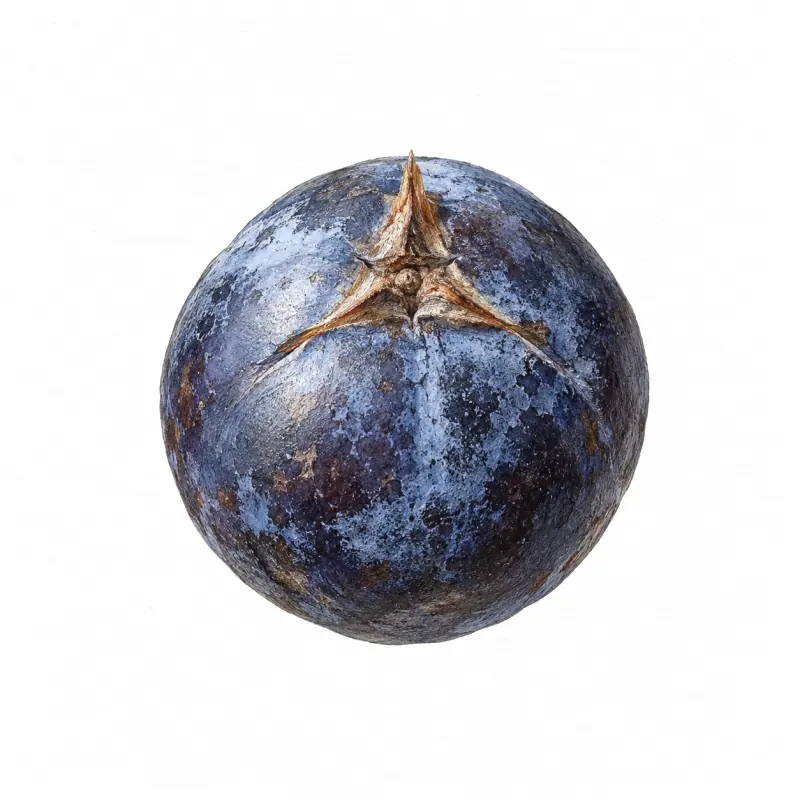
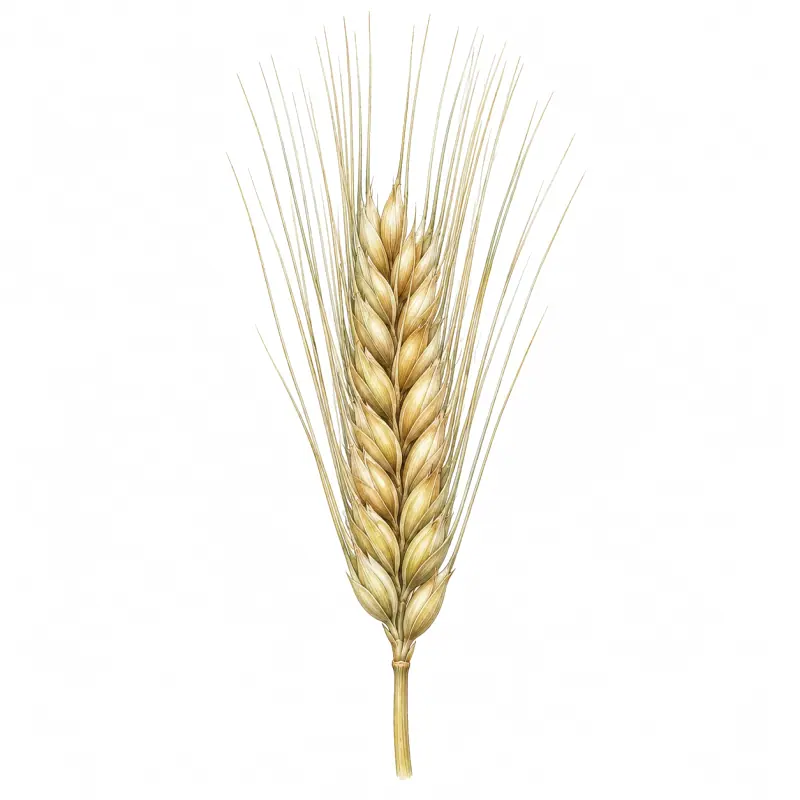
The EU technical file for Jenever/Genever/Genièvre defines it as ethyl alcohol of agricultural origin and/or grain distillates flavoured with juniper berries (Juniperus communis and/or J. oxycedrus), with at least 1.5 % moutwijn in the pure alcohol of the final product. Moutwijn may be made only from whole grains of wheat, rye, barley, maize, oats, buckwheat or triticale, distilled to between 80 % and 40 % vol. The finished spirit has at least 30 % alcohol and no more than 20 g of sugar per litre; it may be coloured only with plain caramel. Other botanicals are allowed if they do not dominate the juniper.
The protected area covers Belgium, the Netherlands, the French departments of Nord and Pas-de-Calais, and the German states of Nordrhein-Westfalen and Niedersachsen. The Dutch government's summary on RVO gives the same minimums.
Oude and jonge: recipe, not age
Oude (old) and jonge (young) genever are separate EU geographical indications for Belgium and the Netherlands only. Both need at least 35 % alcohol. Oude genever must contain at least 15 % moutwijn in its alcohol, may be amber or yellow, and may hold up to 20 g of sugar per litre. Jonge genever contains at least 1.5 % and less than 15 % moutwijn, must be colourless, and may hold no more than 10 g of sugar per litre.
The terms refer to recipe styles, not to time in cask. The genever technical file says they emerged in the Netherlands after the Second World War. A genever aged at least one year in wood may say so on the label, and in Belgium and the Netherlands the ageing must be recorded in an official register.
History in brief
The technical file and the Jenevermuseum in Hasselt tell the same outline. Distilled waters were medicines; by the end of the sixteenth century grain spirit, sometimes flavoured with juniper, was popular in the Seventeen Provinces. A 1601 ban on grain distilling in the Southern Netherlands pushed distillers north, where Schiedam became the genever town. In the nineteenth century column stills and cheap beet-molasses spirit transformed the trade, and agricultural distilleries declined. The full story is in From juniper water to London gin.
How it connects
Region
- produced-in Netherlands
- produced-in Schiedam
- produced-in Hasselt
- produced-in Belgium
Method
- technique Moutwijn (malt wine)
Style
- related Korenwijn
- related Gin (legal category)
Story
- related From juniper water to London gin
Maker
- related Jenevermuseum Hasselt
History
- regulates EU spirit drinks regulation (2008)
Recipe
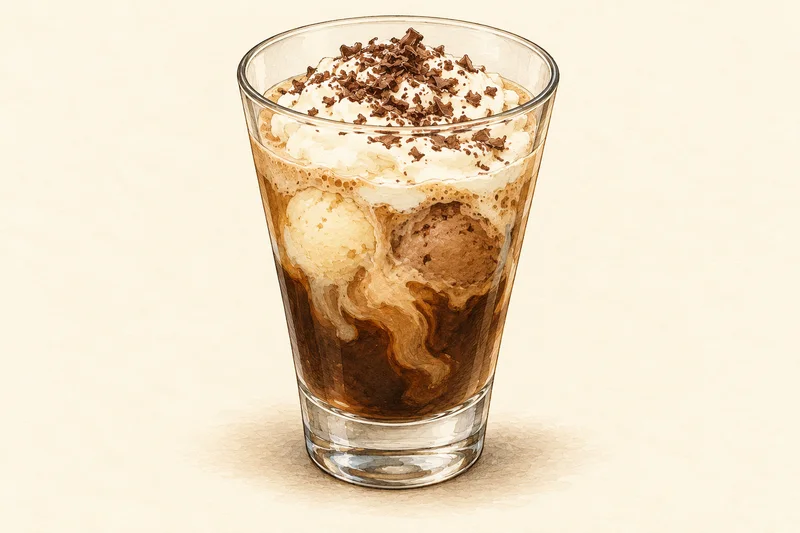
- made with Café liégeois
Continue exploring
- CountryNetherlands19 entries in the atlas so far
- IngredientBarleyHordeum vulgare
- RegionBelgiumBelgium
- RecipeCafé liégeoisLiège, Belgium
- StoryFrom juniper water to London ginSchiedam, the Dutch genever town, Netherlands
- IngredientJuniperJuniperus communis L. (EU law also allows J. oxycedrus for juniper-flavoured spirit drinks and genever)
- RegionNetherlandsNetherlands
 RecipeBelgian fritesBelgium
 RecipeBoulets à la liégeoiseLiège, Belgium
 RecipePoulet à la bièreBelgium