Gin
Juniper and botanicals, from Dutch genever to London Dry
Gin and genever share a berry — juniper — but they are not the same drink. Genever grew from the distilling traditions of the Low Countries, built on malt wine; gin took shape in England, through the excesses of the Gin Craze, the column still and the dry London style. This atlas follows both, the botanicals that flavour them, the methods that extract those flavours and the legal categories that define them today.
Where an "inventor" appears only in later legend, the page says so.
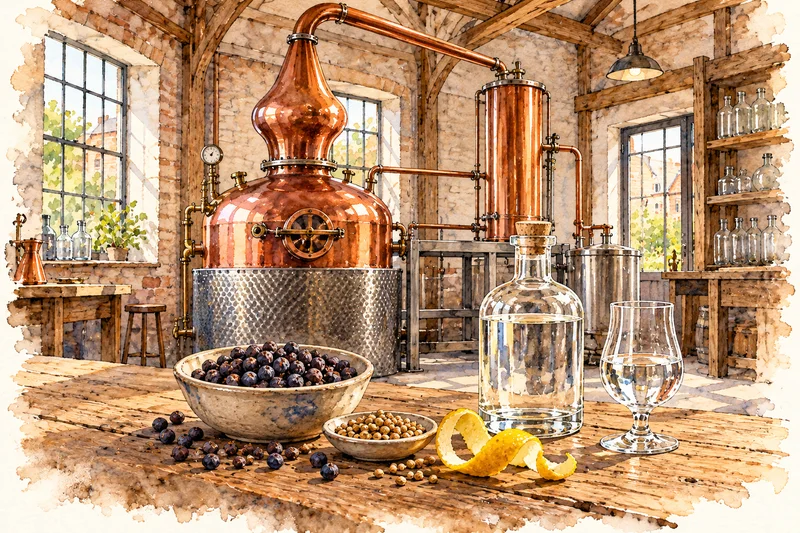
The history
Open the timeline →Styles & categories
8
Regions
6
Makers & institutions
3
Ingredients & botanicals
See all (9) →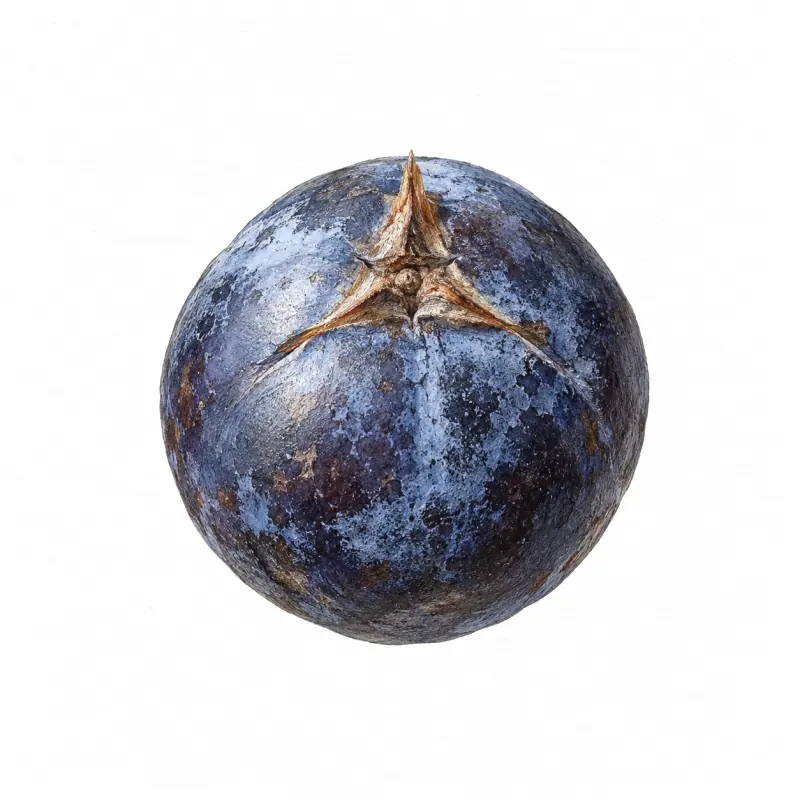 IngredientJuniperJuniperus communis L. (EU law also allows J. oxycedrus for juniper-flavoured spirit drinks and genever)
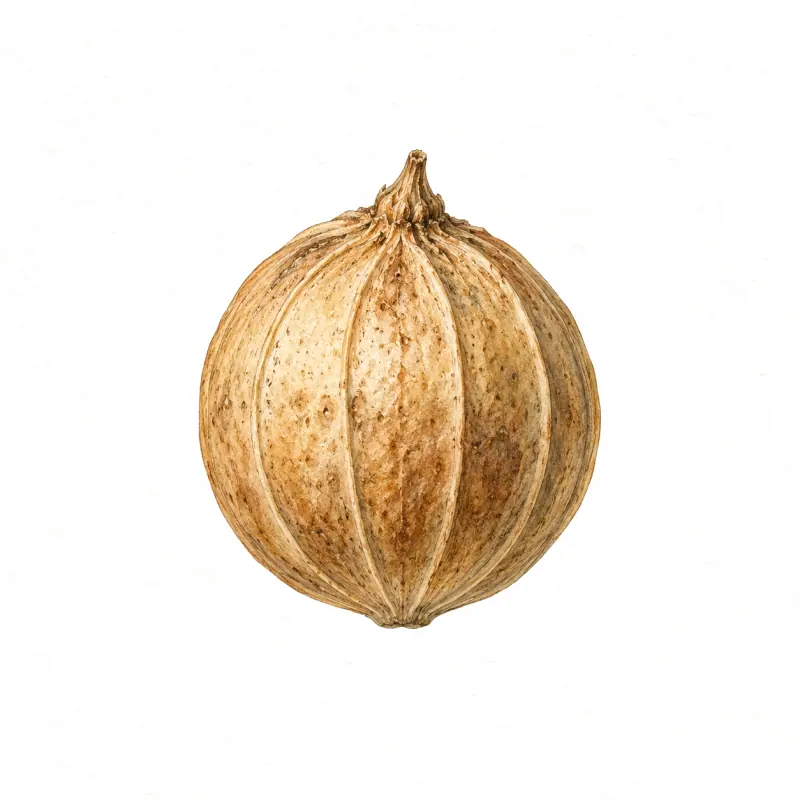 IngredientCoriander seedCoriandrum sativum (seed)
- IngredientAngelica rootAngelica archangelica (root)
- IngredientOrris root
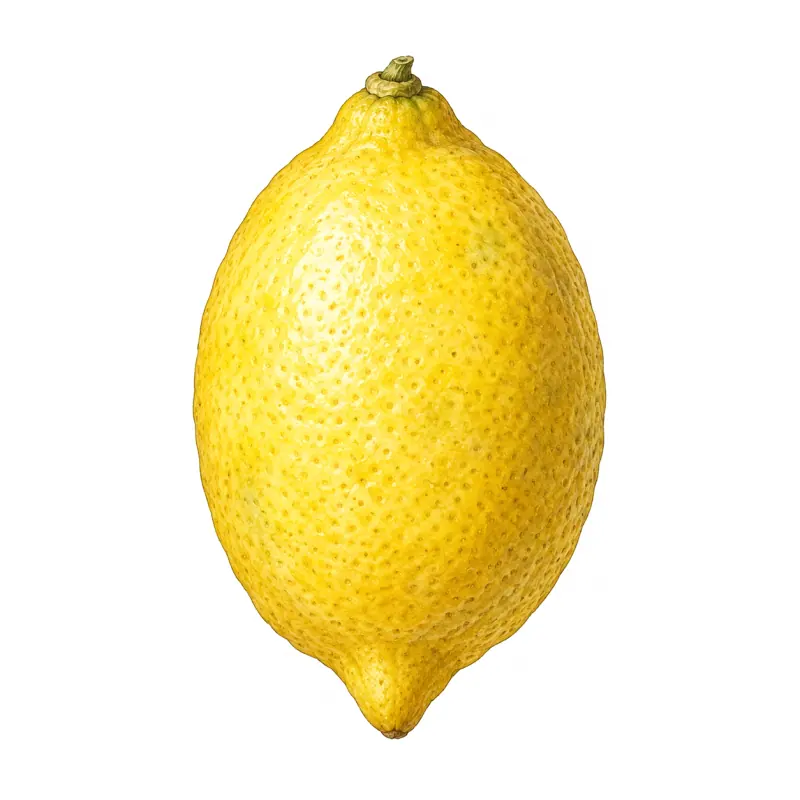 IngredientCitrus peel (orange and lemon)Citrus × sinensis, Citrus × limon and related citrus (peel)
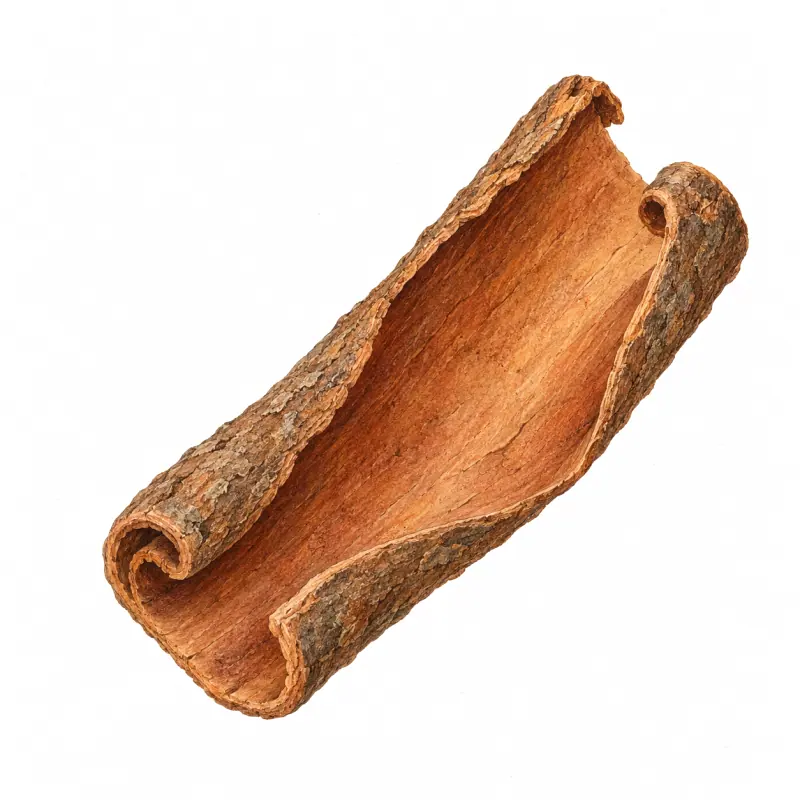 IngredientCassia barkCinnamomum cassia (bark), the species shown in the illustration; sources do not specify the species used by distillers
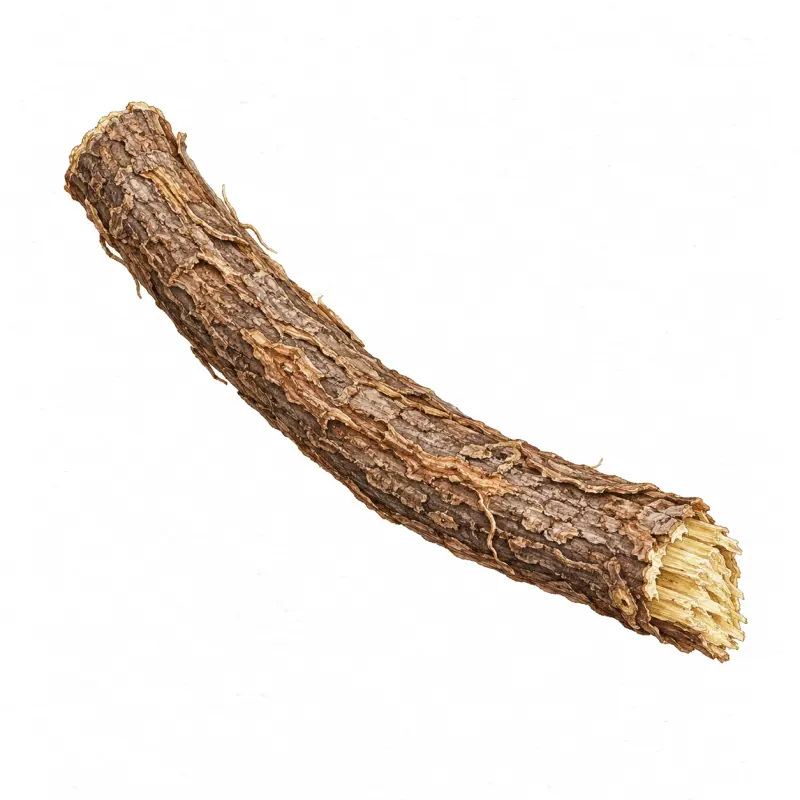 IngredientLiquorice rootGlycyrrhiza glabra (root), the species shown in the illustration; sources do not specify the species used by distillers
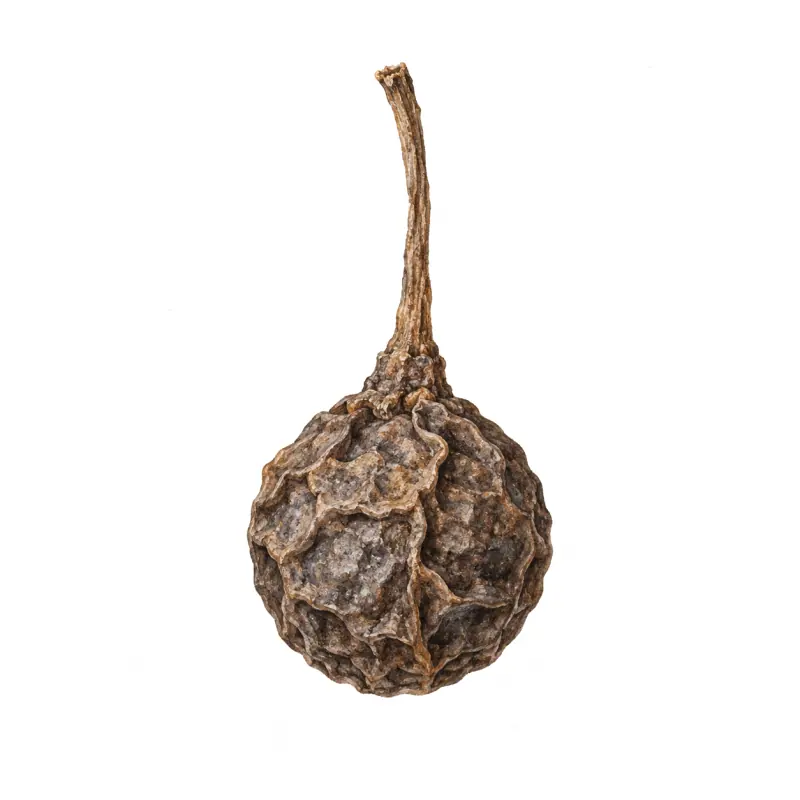 IngredientCubebPiper cubeba
Methods
4
By country
6
Across the atlas
- RegionBelgiumBelgium
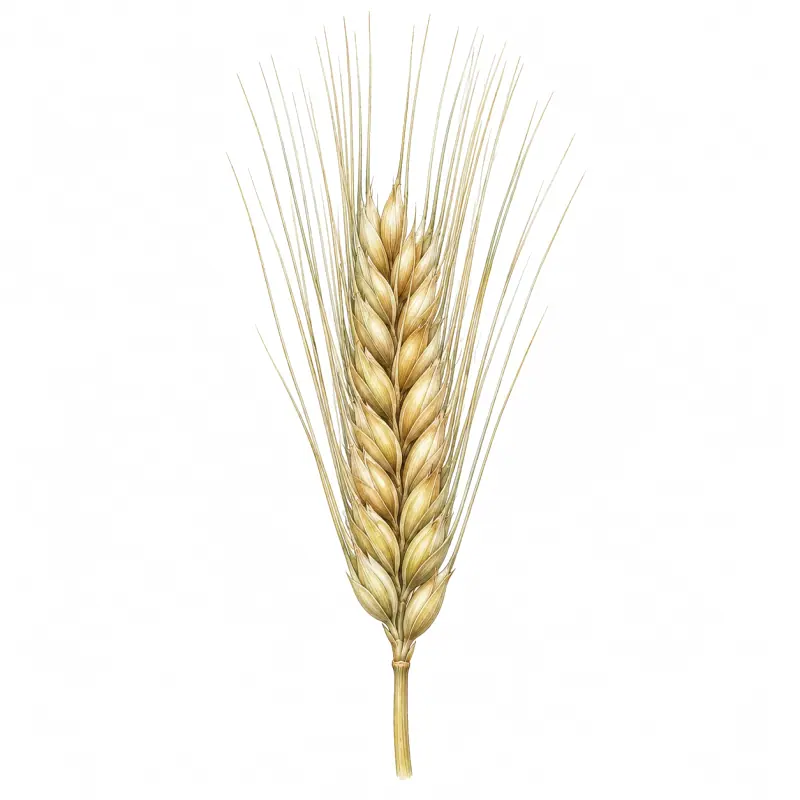 IngredientBarleyHordeum vulgare
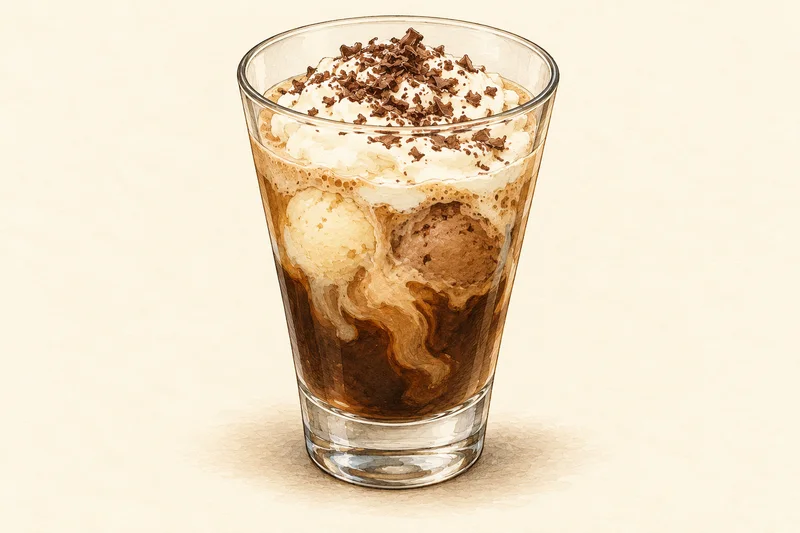 RecipeCafé liégeoisLiège, Belgium
- MethodColumn still (Coffey still)Distillation
- MethodPot still distillationDistillation
- StoryFruit: from the apple forests of the Tian Shan to the banana boatKazakhstan
- StorySpices and salt: pepper, nutmeg and the taxed necessityIndonesia
The world map
All markers on the map (22)
Tip: markers are also listed below the map for keyboard and screen-reader use.