Gin · Style · Reference page
London gin (London dry gin)
London gin is the strictest EU gin category: a distilled gin whose flavour comes only from redistilling agricultural alcohol with natural botanicals, with no colouring and almost no sugar. The name describes a method and can be used anywhere.
Method
All natural plant materials distilled together with the alcohol; distillate at least 70 % vol.; only alcohol of the same purity and water may be added afterwards.
Character
Dry, juniper-led and colourless.
The legal definition
Regulation (EU) 2019/787 defines London gin as a distilled gin that meets six conditions. It is made only from ethyl alcohol of agricultural origin with at most 5 g of methanol per hectolitre of pure alcohol, and its flavour comes "exclusively through the distillation of ethyl alcohol of agricultural origin in the presence of all the natural plant materials used". The resulting distillate has at least 70 % alcohol. Any alcohol added afterwards must meet the same methanol limit. It is not coloured, contains no more than 0.1 g of sweetening per litre (as invert sugar), and contains nothing else but water.
The minimum bottling strength is 37.5 %, as for all gin. The term may be supplemented by "dry". Nothing in the definition ties it to London: London gin can be made in any country.
In practice
Distillers usually redistil grain neutral spirit with juniper and other botanicals, either steeped in the still (maceration) or held in the vapour path (vapour infusion), and collect only the middle "hearts" of the run. A 2024 study of a commercial gin still found the aroma changing over the run: light monoterpenes early, spicier sesquiterpenes late, so the distiller's cut points shape the flavour.
How it connects
Style
- offspring of Distilled gin
Method
- technique Maceration and redistillation
- technique Vapour infusion
- related Column still (Coffey still)
Ingredient
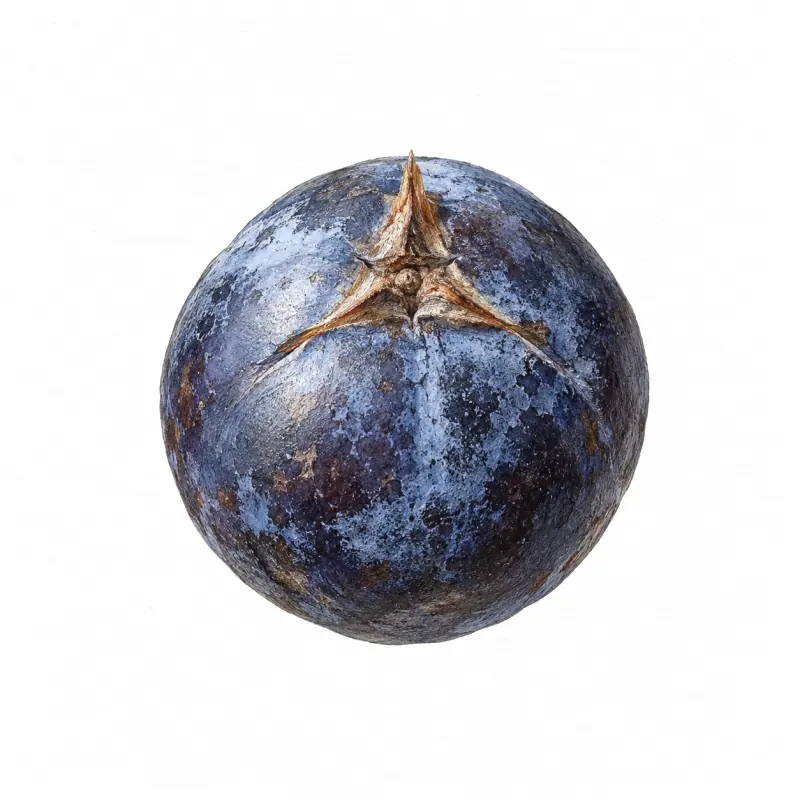
- made with Juniper
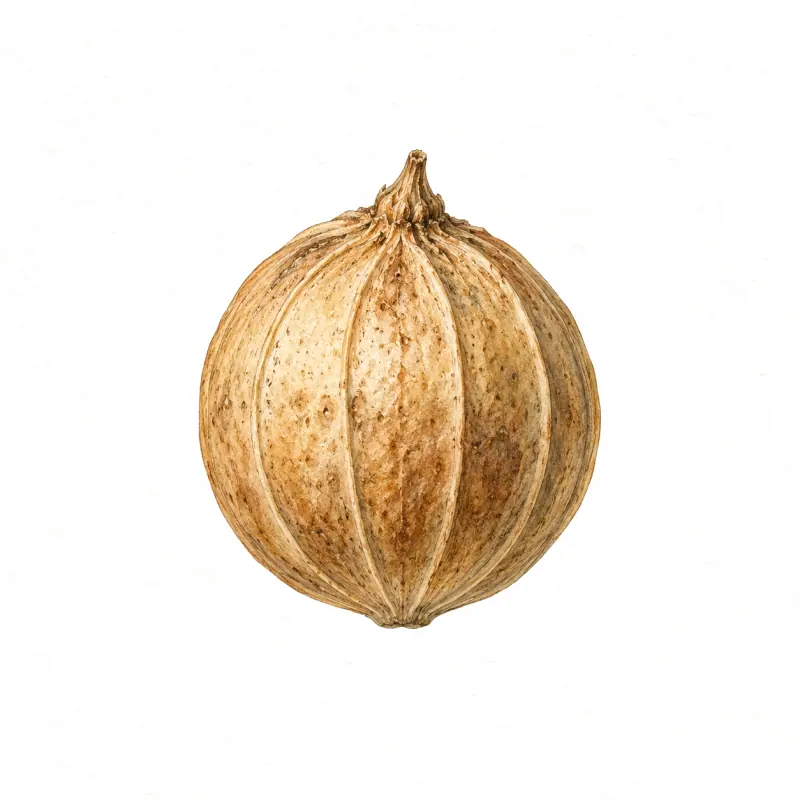
- made with Coriander seed
- ingredient-of Angelica root
- ingredient-of Orris root
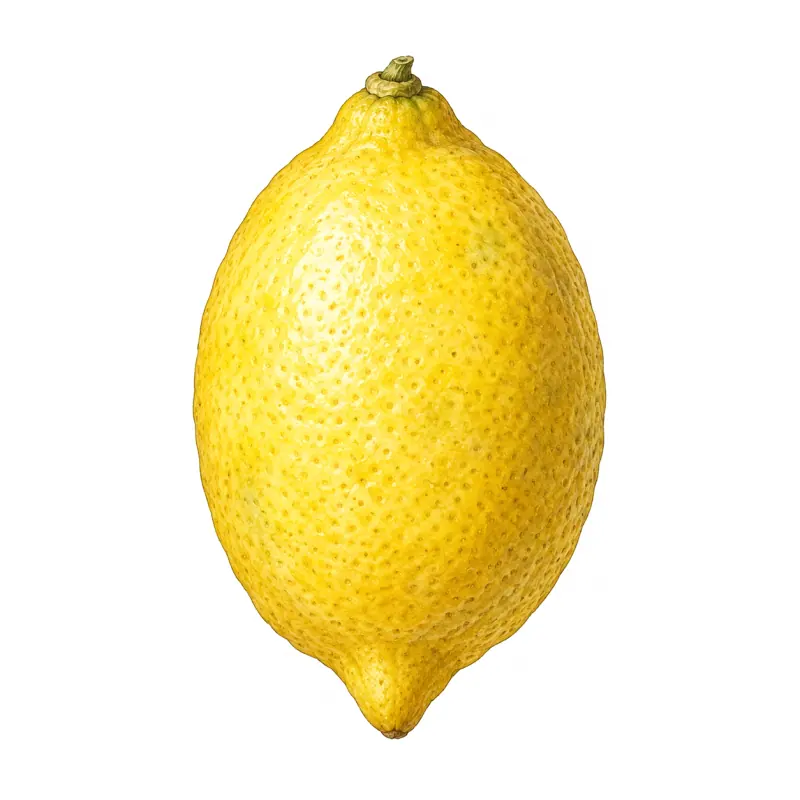
- ingredient-of Citrus peel (orange and lemon)
- ingredient-of Cassia bark
- ingredient-of Liquorice root
Region
- related London
Story
- related From juniper water to London gin
History
- regulates EU spirit drinks regulation (2019)
Continue exploring
- CountryUnited Kingdom97 entries in the atlas so far
- MethodColumn still (Coffey still)Distillation
- StoryFrom juniper water to London ginSchiedam, the Dutch genever town, Netherlands
- IngredientJuniperJuniperus communis L. (EU law also allows J. oxycedrus for juniper-flavoured spirit drinks and genever)
- MethodVapour infusionFlavouring
- StoryA history of rumBarbados
- StoryA history of whiskyScotland, United Kingdom
- HistoryEU spirit drinks regulation (2019)17 April 2019 (applies from 25 May 2021)
- IngredientAngelica rootAngelica archangelica (root)
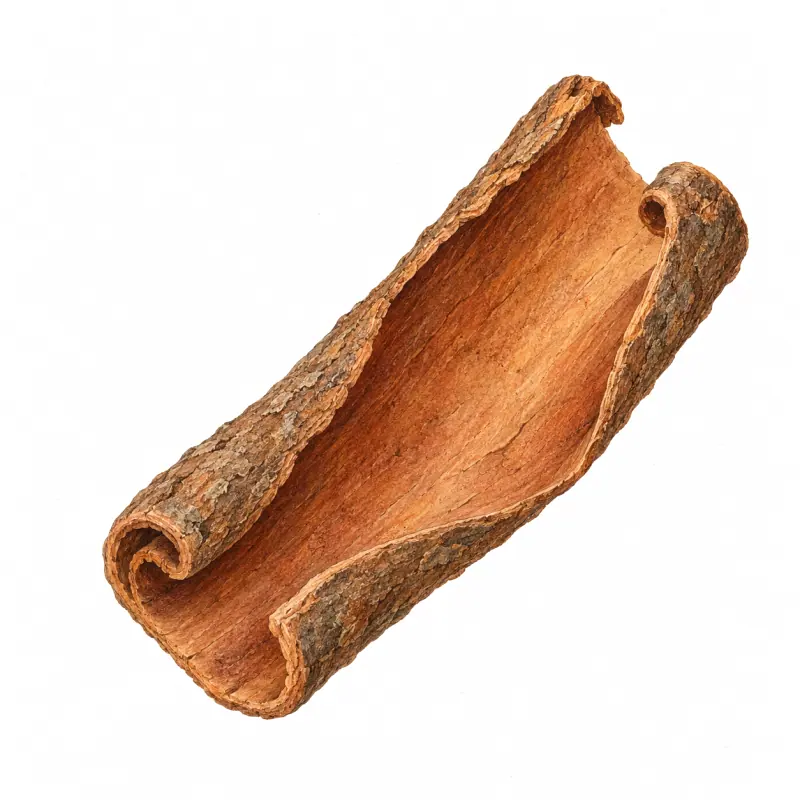 IngredientCassia barkCinnamomum cassia (bark), the species shown in the illustration; sources do not specify the species used by distillers